


Prehistory and the Thracians
Plovdiv does not have a specific founder in the classical sense. It arose long before written history from prehistoric settlements that formed around Nebet Tepe. In the earliest written records, the city appears under the name Eumolpia and is associated with the Thracian tribe of the Bessi.
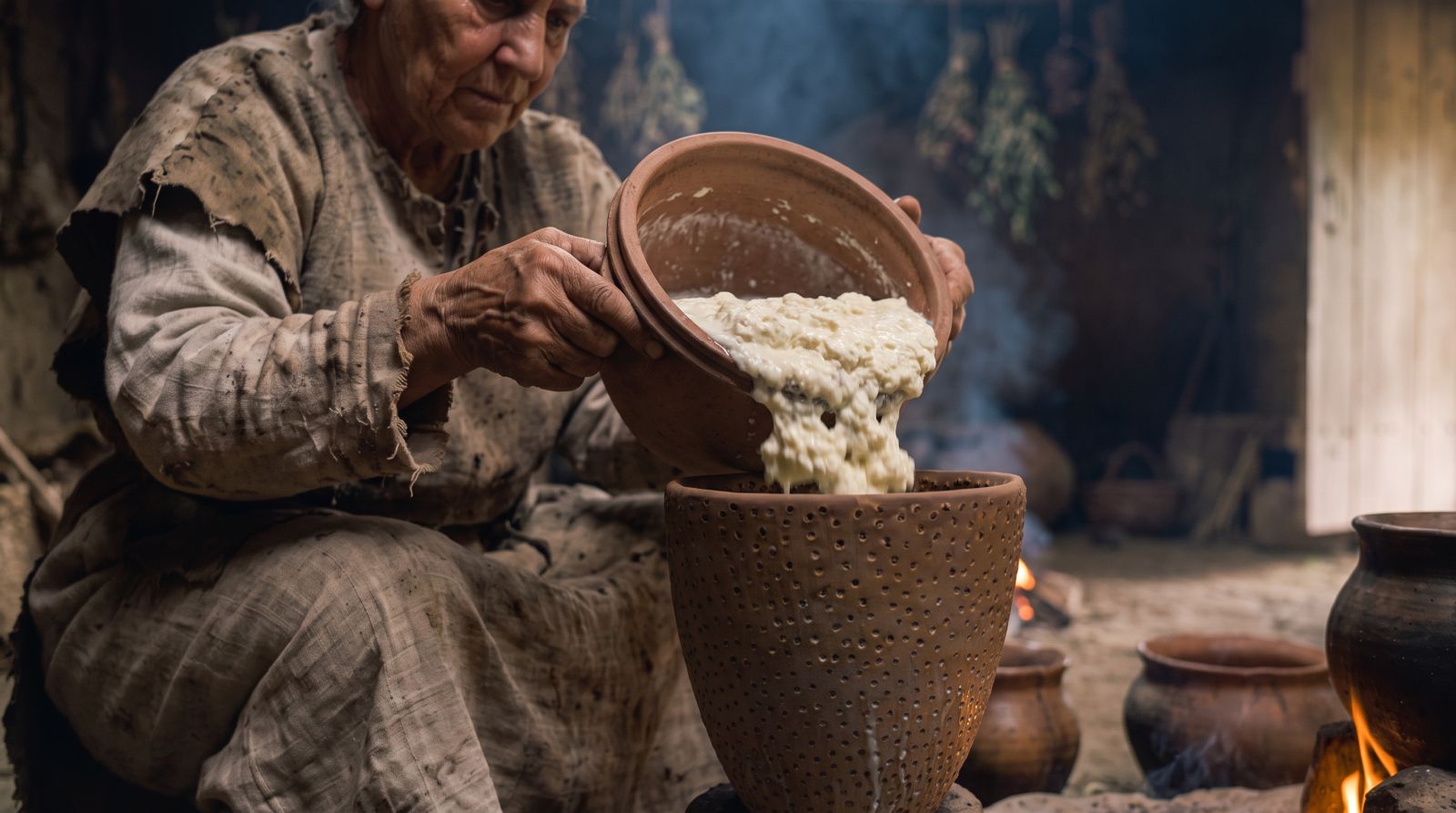
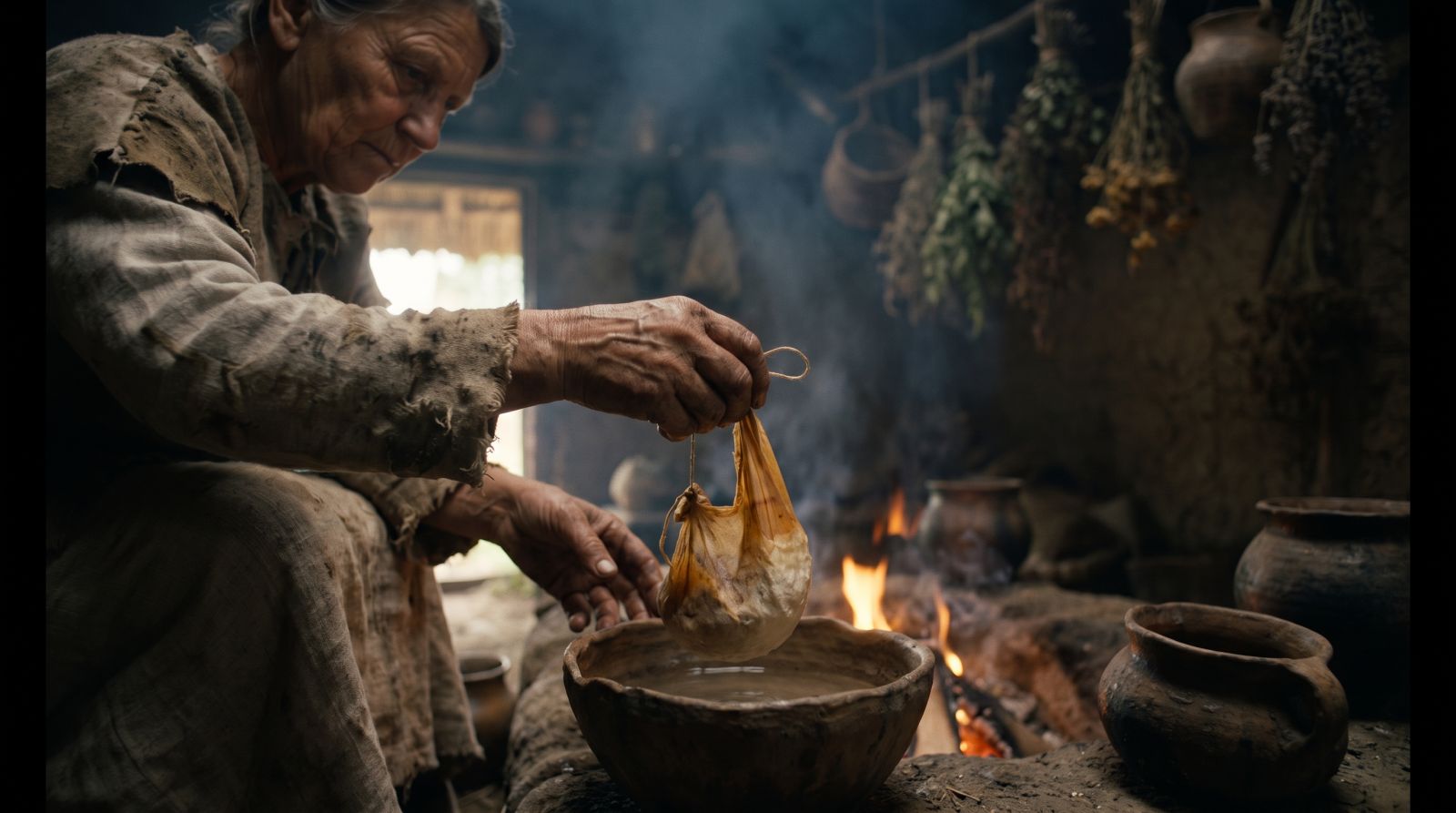
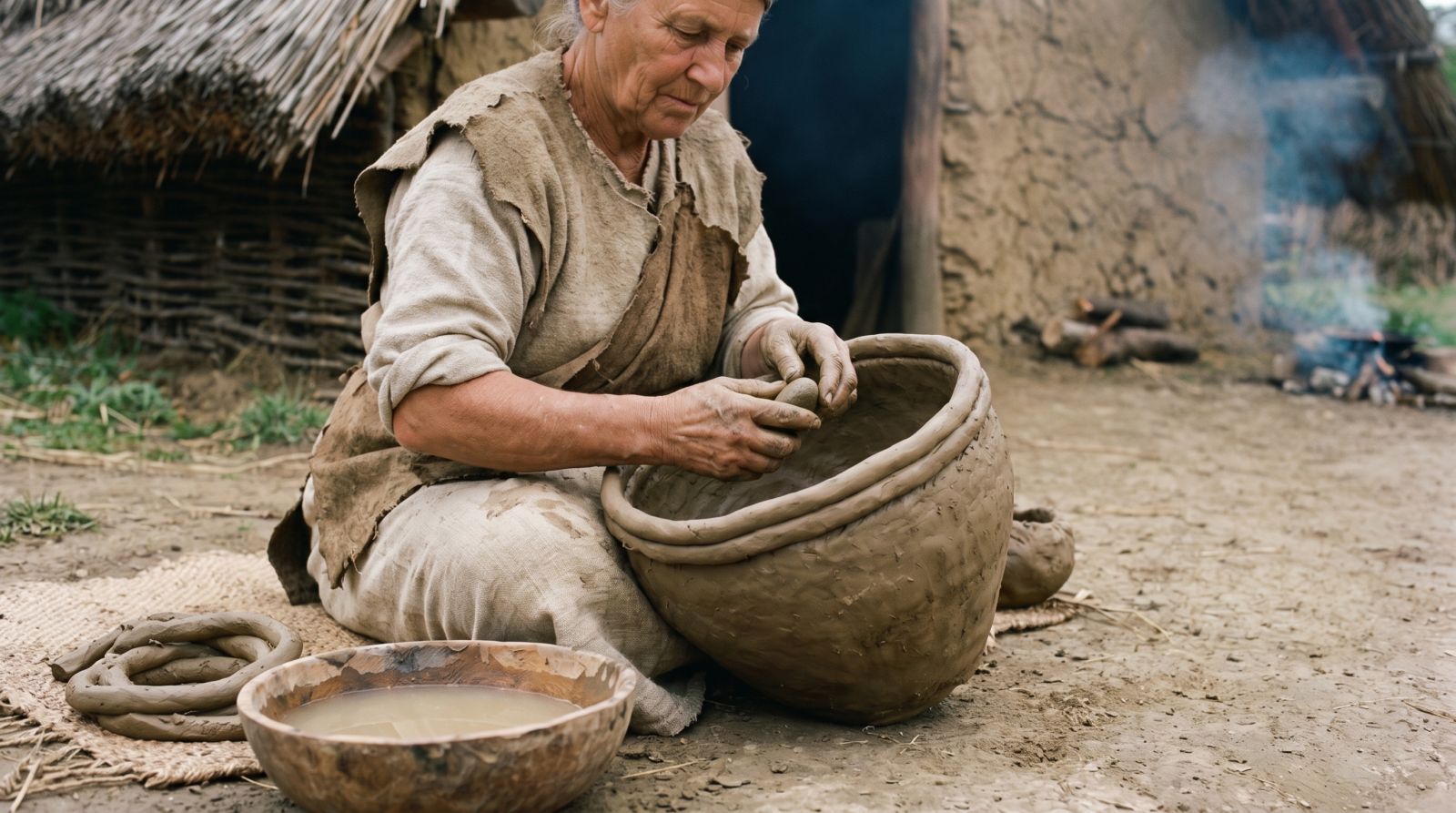
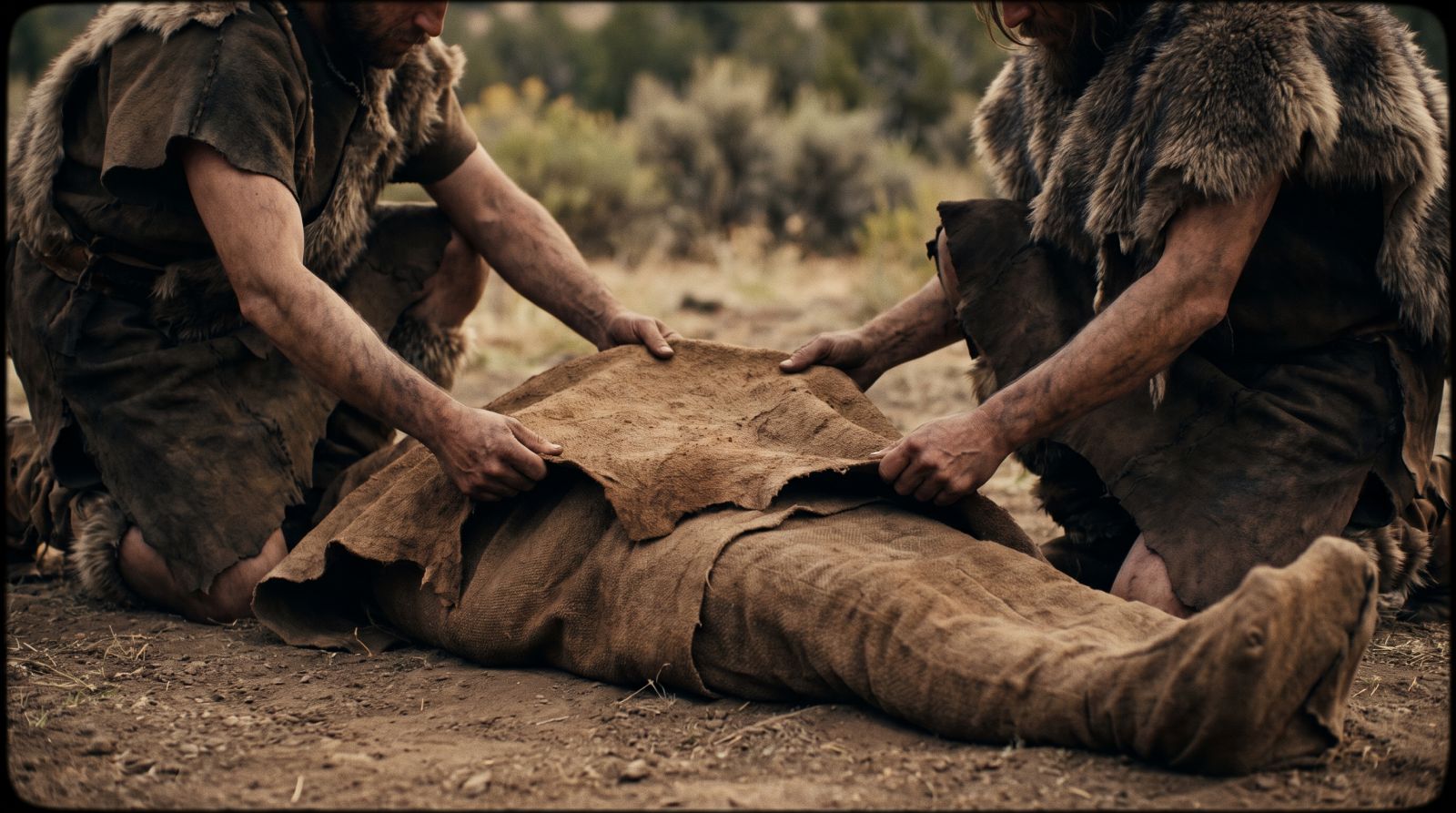
During the Neolithic period, the Plovdiv region was part of the broader cultural process of Neolithisation in the Balkans. Settled farming and livestock-breeding communities established permanent settlements and produced pottery, stone tools and objects associated with everyday and ritual life. Agriculture, animal husbandry, stone working and pottery production played an important role. These settlements were not merely temporary camps, but stable communities with dwellings, working areas and an organised internal structure.
During the Chalcolithic period, or Copper Age, the population in the area of present-day Plovdiv continued to grow, while material culture became increasingly diverse. Alongside traditional bone and stone tools, the first copper objects appeared. Pottery, weaving and the processing of various raw materials developed further. Particularly interesting are the ceramic vessels with their diverse forms and ornamentation, as well as small figurative objects that bear witness to the complex spiritual world of prehistoric communities. These finds provide clear evidence that the Plovdiv region was part of the dynamic cultural environment of prehistoric Thrace.
During the Bronze Age, settlement life in the region continued, accompanied by changes in the economy, technology and social organisation. The spread of bronze led to improvements in tools and weapons, while contacts between different communities expanded. Plovdiv’s naturally protected hills acquired increasing importance. Over time, successive archaeological layers accumulated on them, bearing witness to the prolonged habitation of the site.